MiniMax-H3 Reference-to-Video
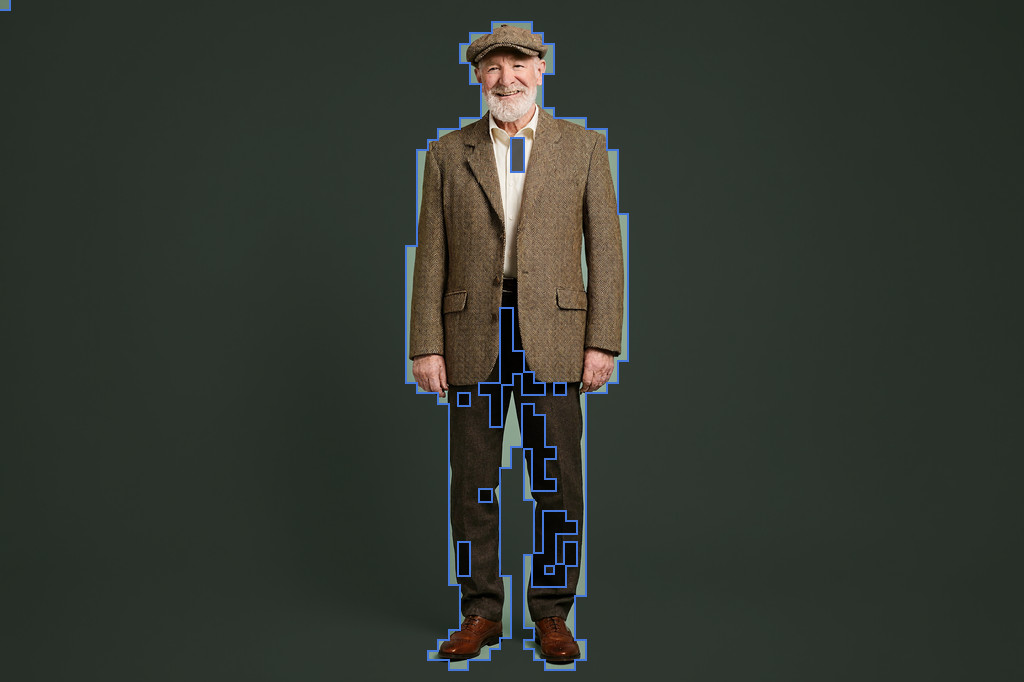
Reference Videos with Priority-Based Pruning
Silver wolf in a dusk desert8.4× faster denoising
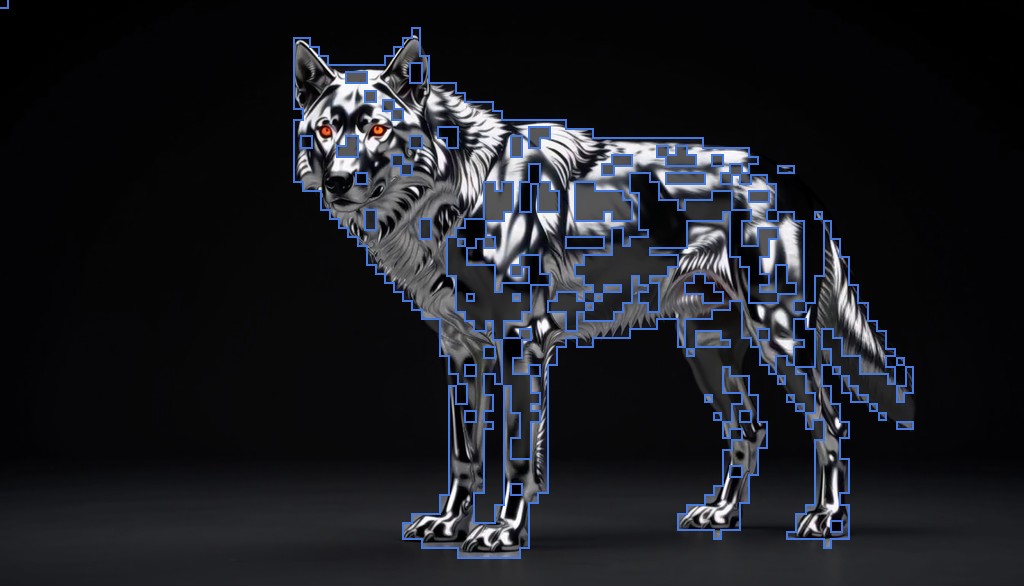

Condition tokens 232,064 → 24,153 (−90%) · VLM reference tokens 47,670 → 10,996 (−77%)
Denoising on 1× B200: 1013 s → 121 s (8.4× faster)
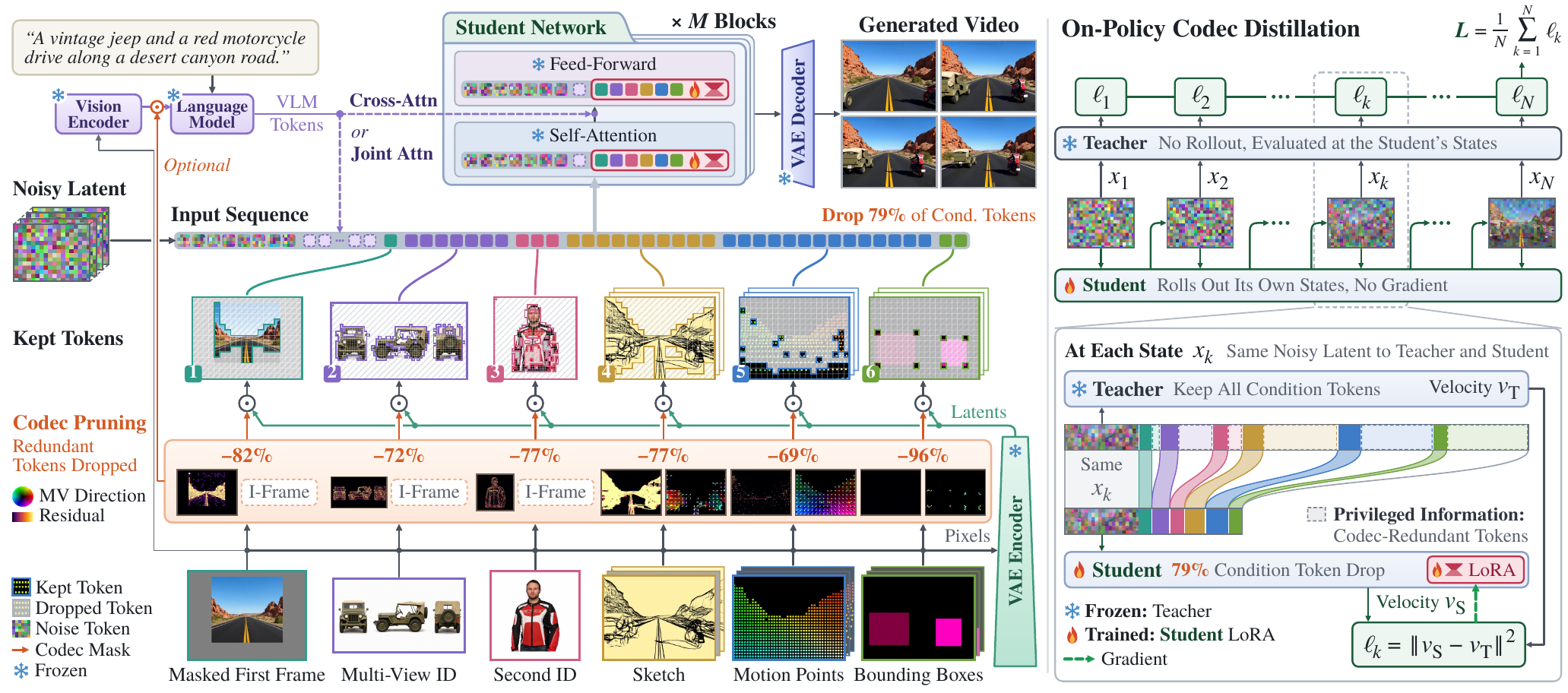
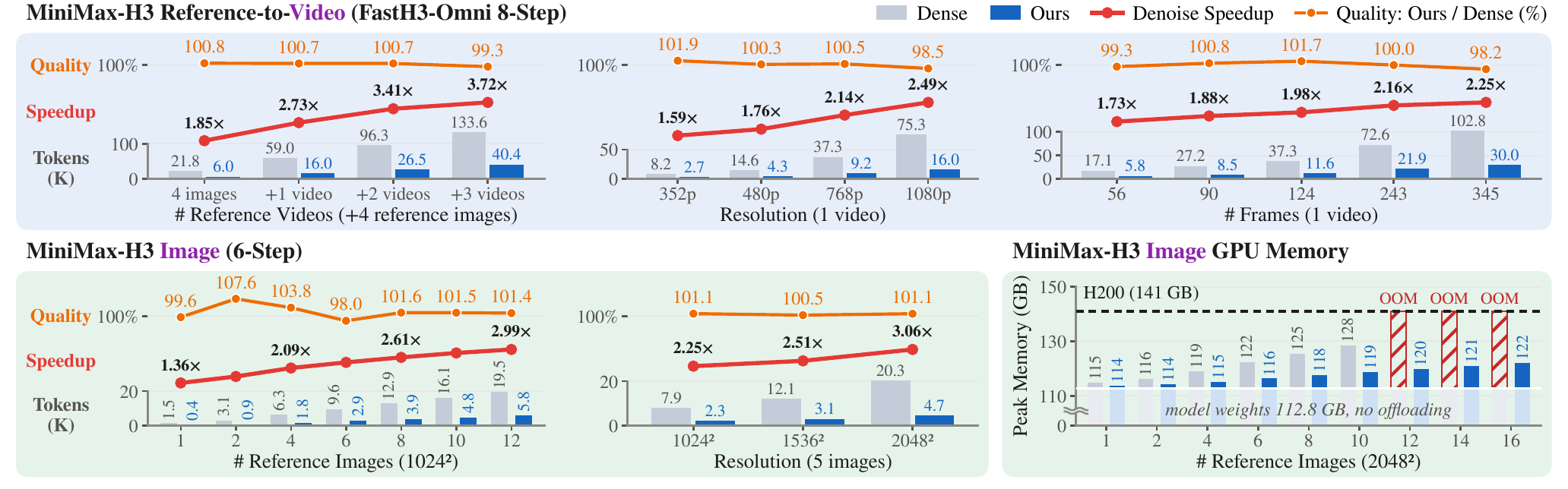
Extreme setting: 90% priority-based pruning on the effect, motion, and camera videos, also applied in the VLM encoder.
Readable text from a reference picture8.9× faster denoising
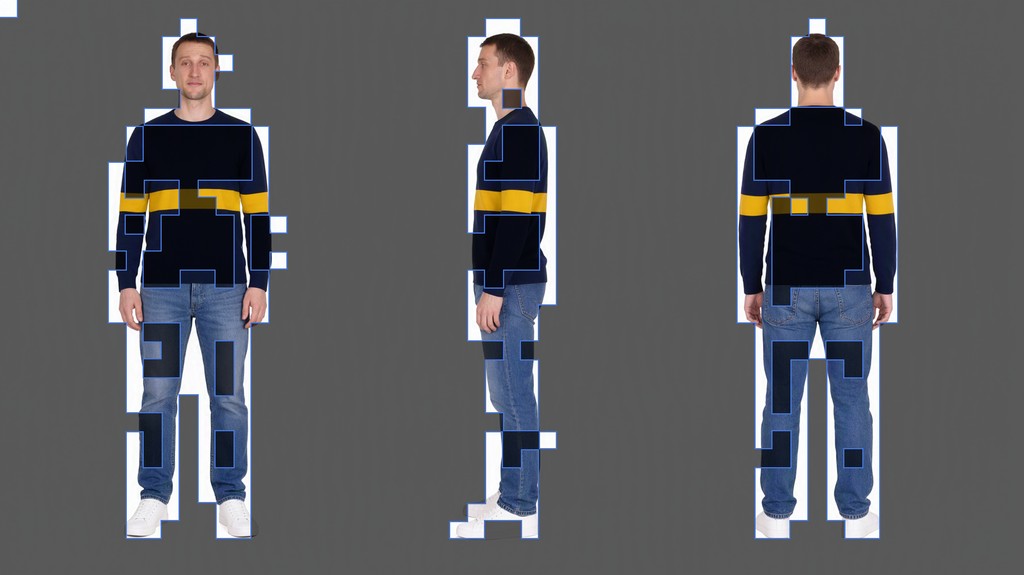
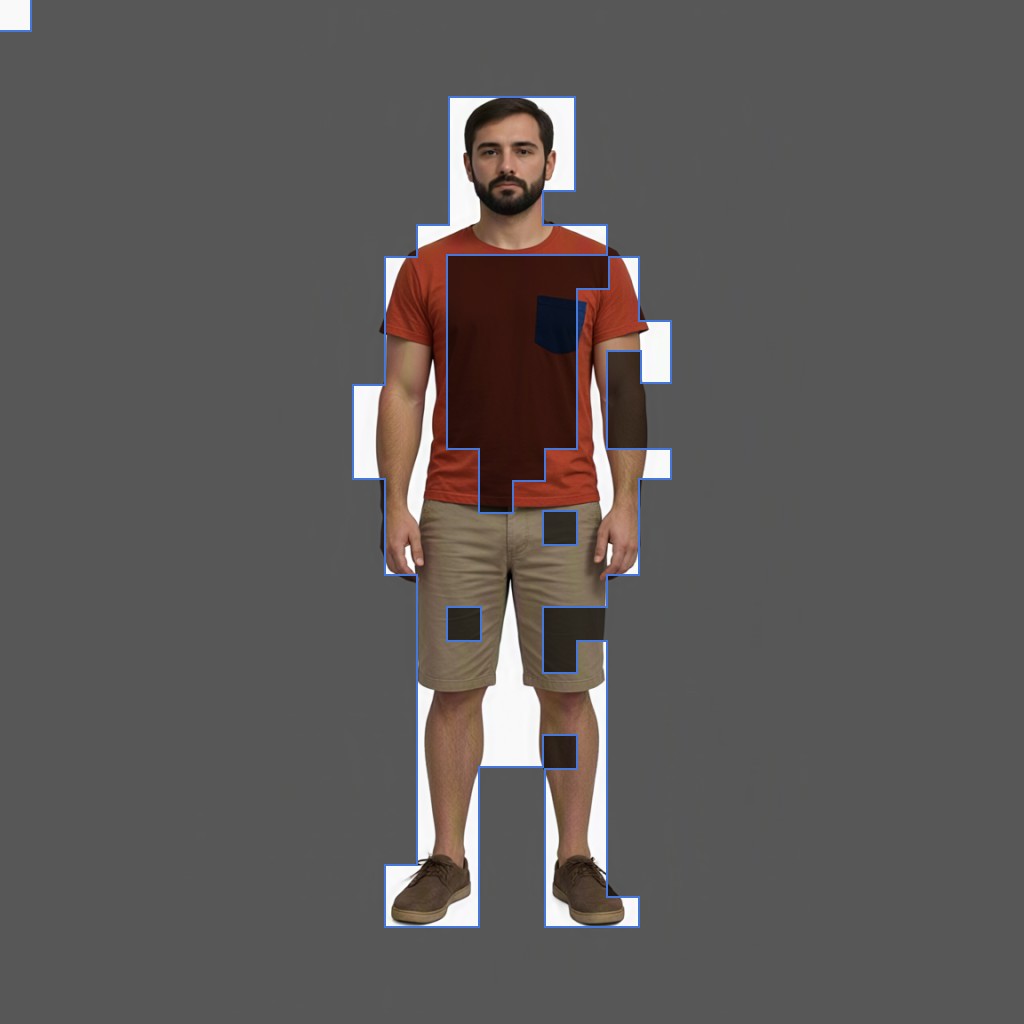
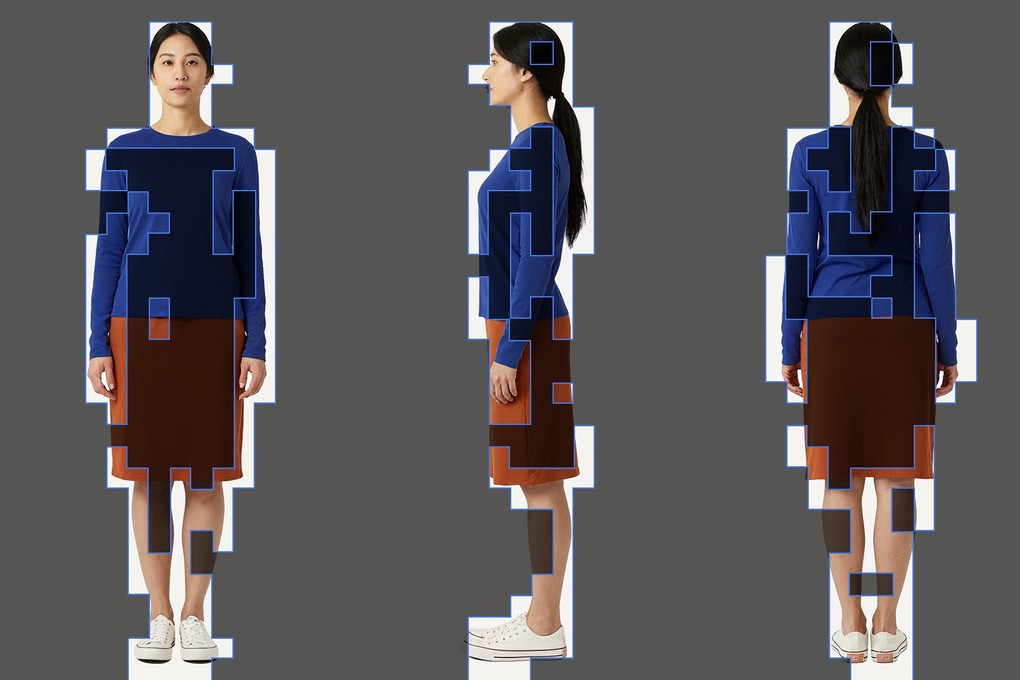
The word comes from Picture 1, where the plane tows the banner. Codec pruning keeps the letters and drops the empty sky around them. Video 2 provides the layout of the plane and the running man. Video 3 provides the camera pan.
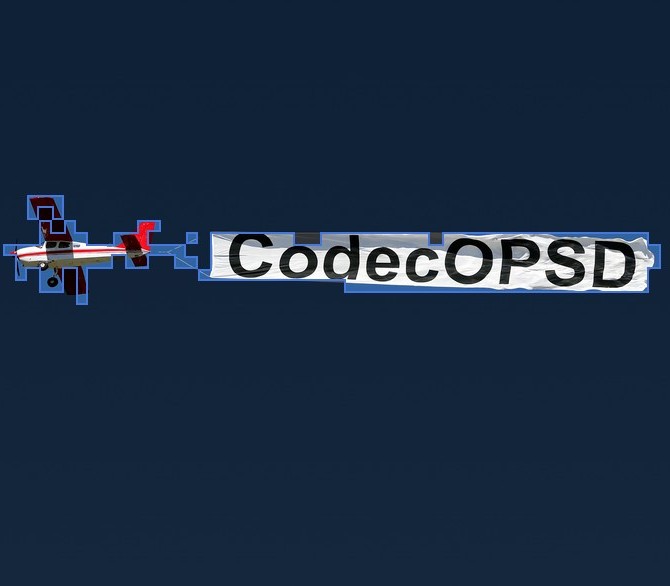
Condition tokens 126,160 → 11,362 (−91%)
Denoising on 1× H200: 662 s → 74.7 s (8.9× faster)
Extreme setting: 90% priority-based pruning on the motion and camera videos, also applied in the VLM encoder.
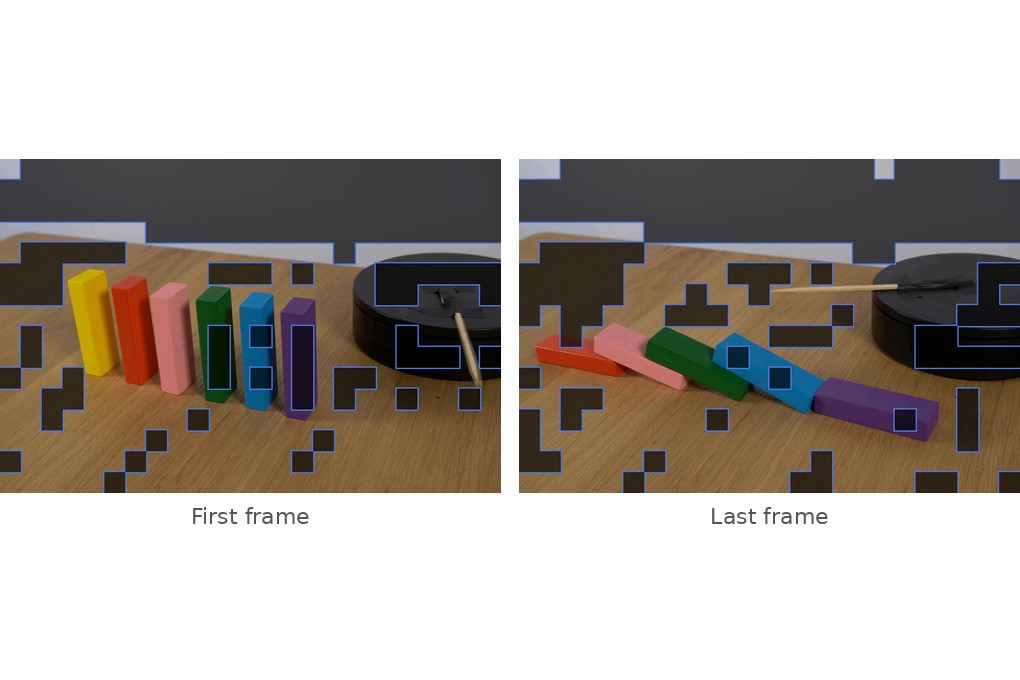
Anime duel in two shots6.8× faster denoising
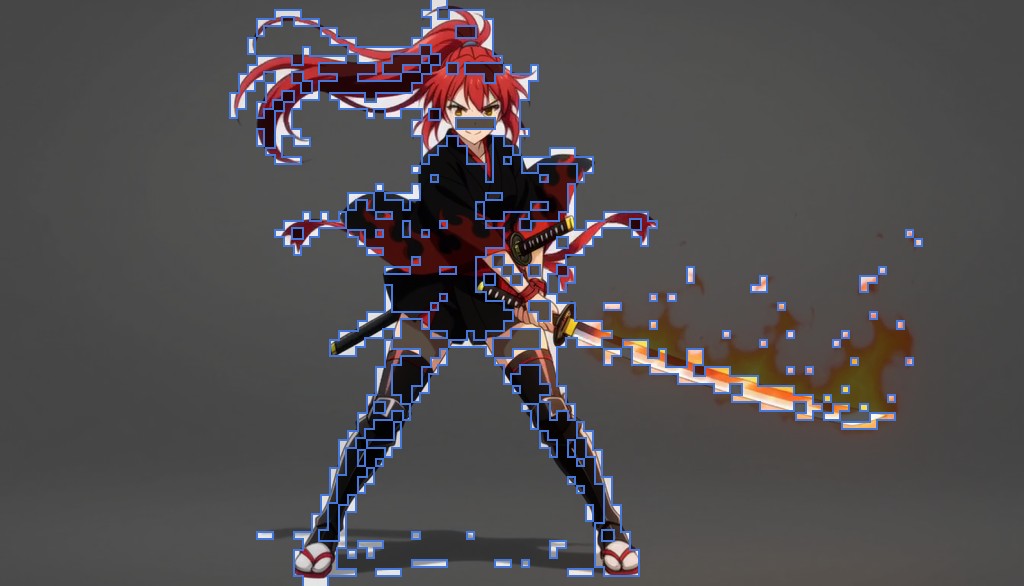
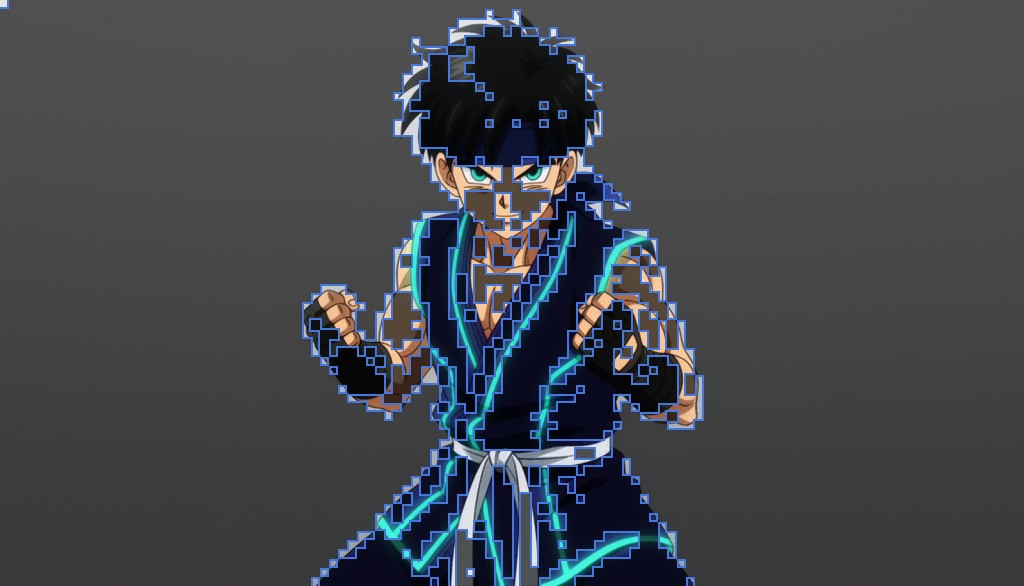
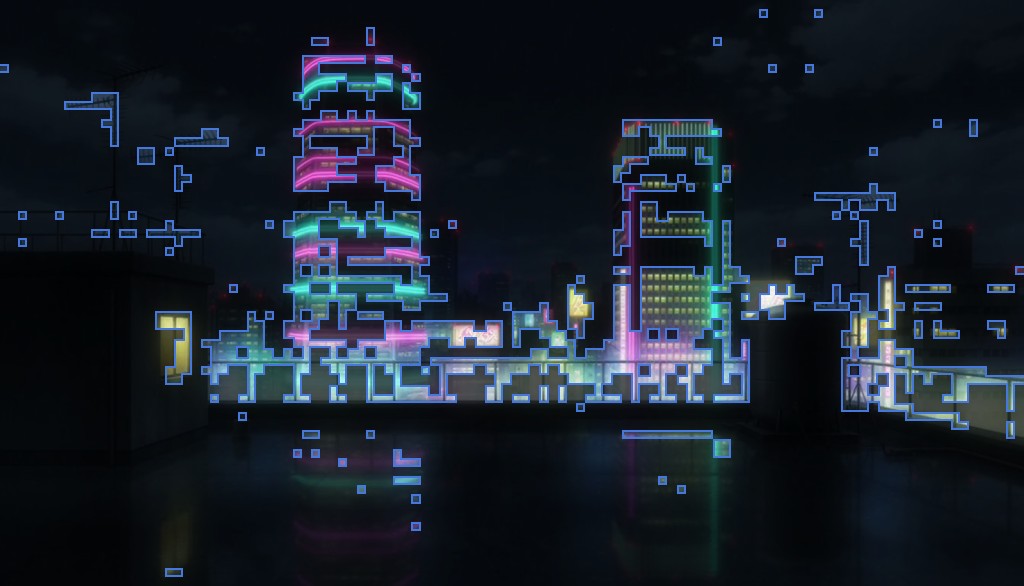
Condition tokens 133,392 → 22,329 (−83%)
Denoising on 1× H200: 731 s → 108 s (6.8× faster)
Extreme setting: 90% priority-based pruning on the two effect videos, also applied in the VLM encoder.
Greybox
From Saturn to Earth2.3× faster denoising
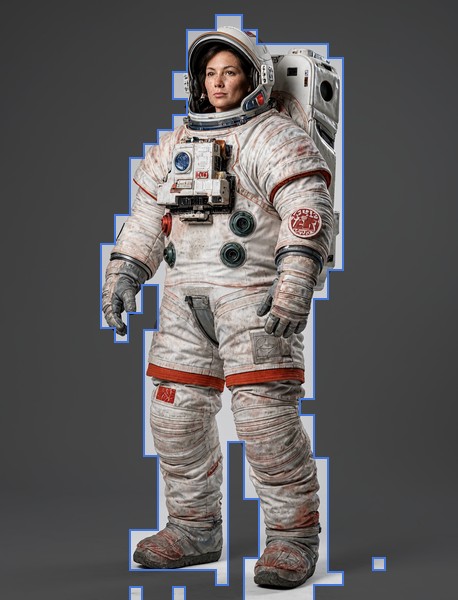
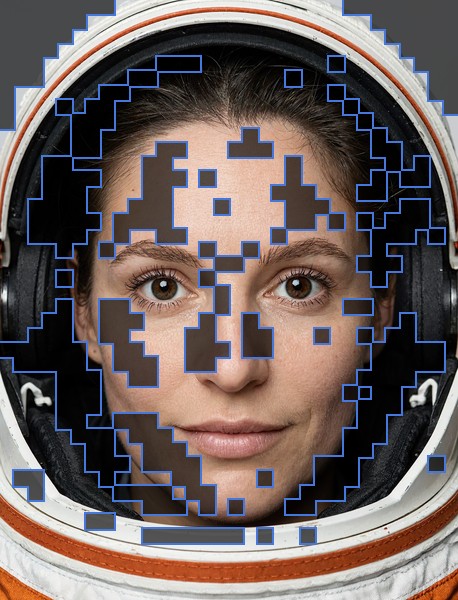
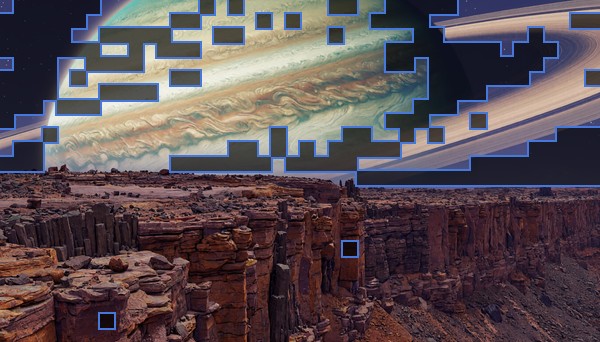
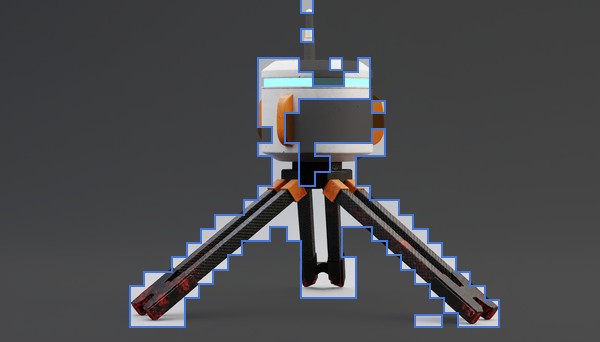
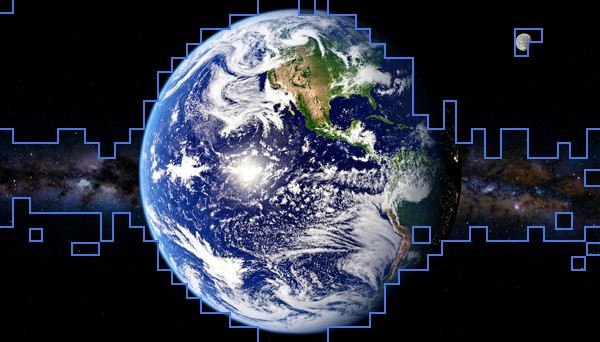
Condition tokens 108,528 → 28,723 (−74%) · VLM reference tokens 20,375 → 12,492 (−39%)
Denoising on 1× H200: 867.8 s → 373.7 s (2.3× faster)
Our LoRA is added to the SolarRenderer greybox model without retraining.
Racing drone through a city2.1× faster denoising
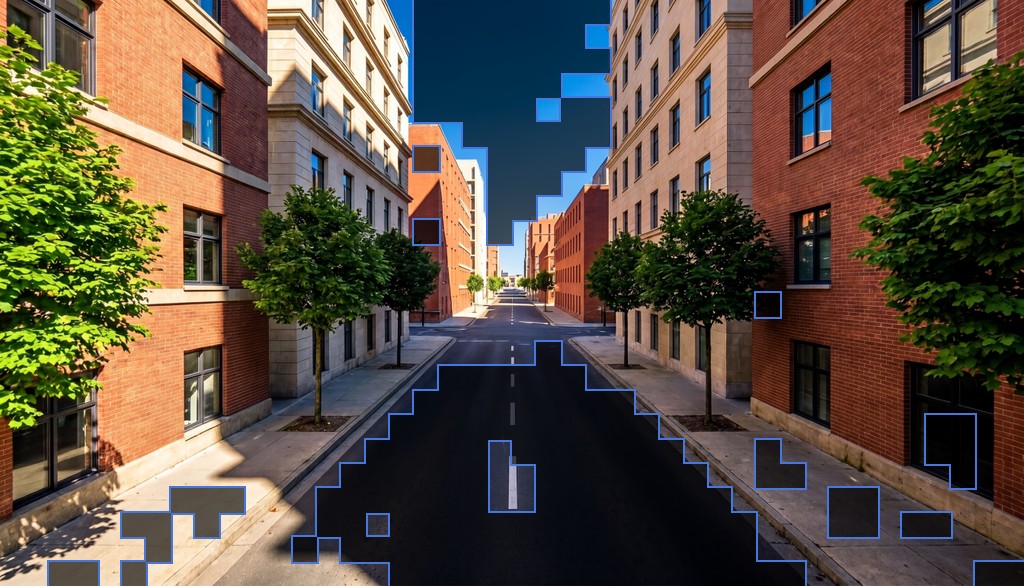
Condition tokens 48,384 → 12,652 (−74%)
Denoising on 1× H200: 137 s → 66.7 s (2.1× faster)
Highway chase downtown2.0× faster denoising

Condition tokens 48,384 → 12,687 (−74%)
Denoising on 1× H200: 136 s → 68.2 s (2.0× faster)
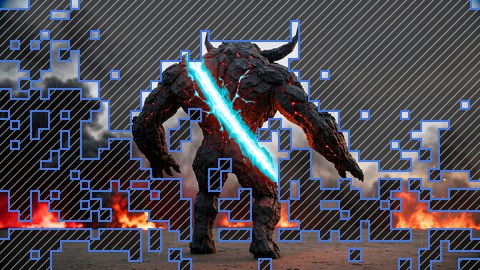
Short Film: Robot versus Monster
Just for fun: a greybox-driven short film, made with MiniMax-H3 Ref2VA + CodecOPSD in five generations. No Teacher run, no post-editing.
Condition tokens, five parts: 278,256 → 89,535 (−68%)
Denoising on 1× B200: 67.1 + 79.0 + 82.6 + 50.8 + 65.4 = 344.9 s (five generations)
Parts 1–5 · conditions
Greybox video (priority-based)768×1344
First frame768×1344
Last frame768×1344
Effect / keyper part
Wound frontper part
Wound backper part
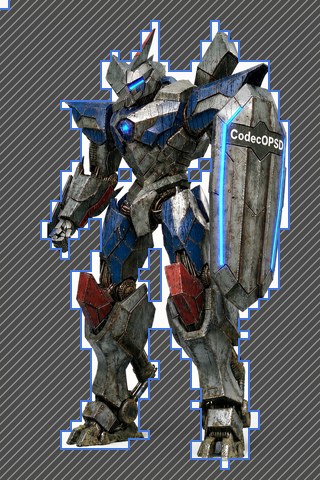
Identity mech, front1536×1024
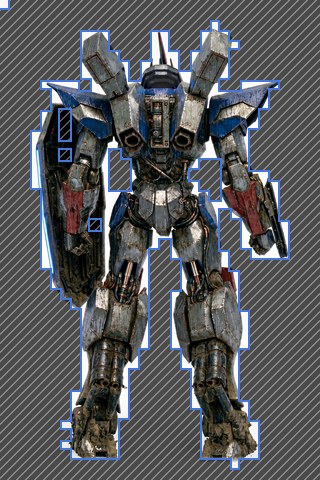
Identity mech, back1536×1024
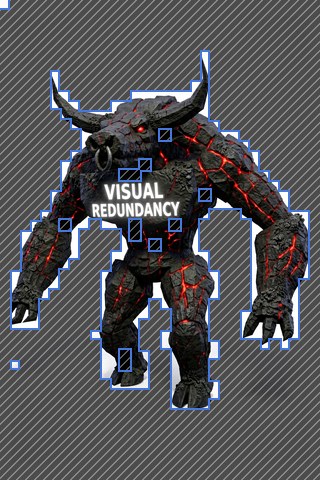
Identity monster1536×1024
Scene street1024×1536
Scene city from above1024×1536
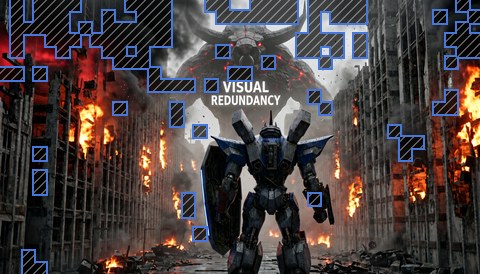
Part 1draws its blade, charges, takes off141 frames
53,568 → 18,906 tokens (−65%)
denoising 67.1 s (B200)
−70%
 −13%
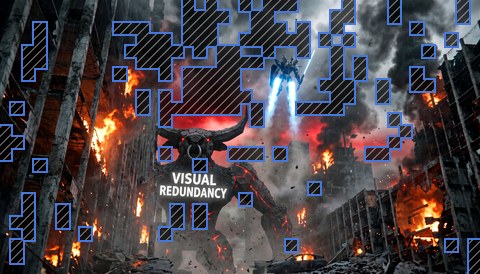 −16%
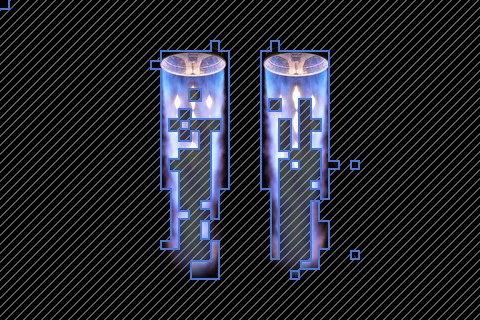 thruster effect−87%
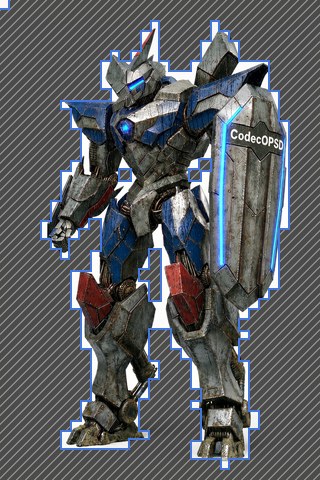 −53%
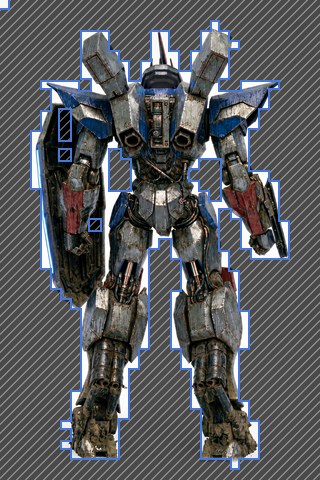 −54%
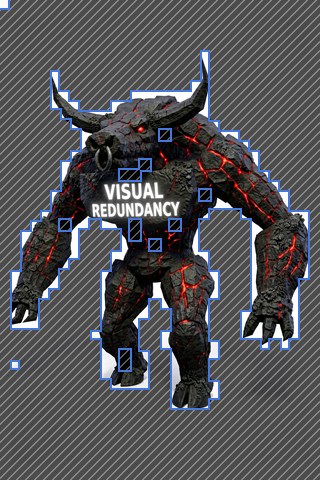 −65%
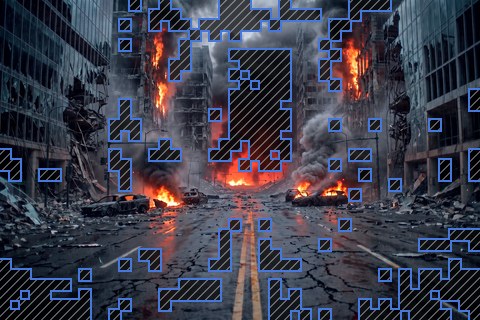 −18%
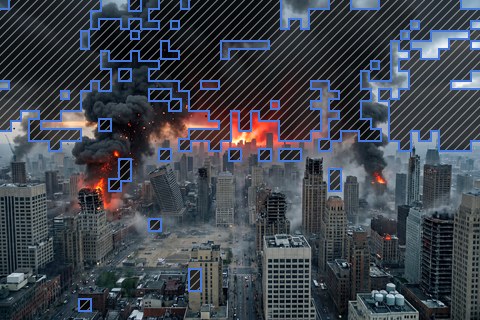 −32%
Part 2charges, slapped away by the right hand, recovers175 frames
63,648 → 17,458 tokens (−73%)
denoising 79.0 s (B200)
−79%
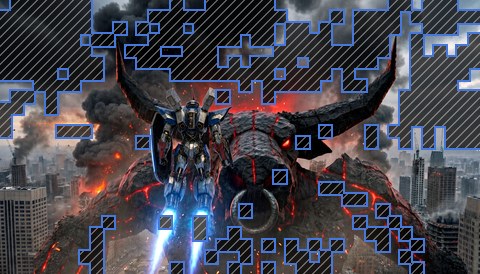 −30%
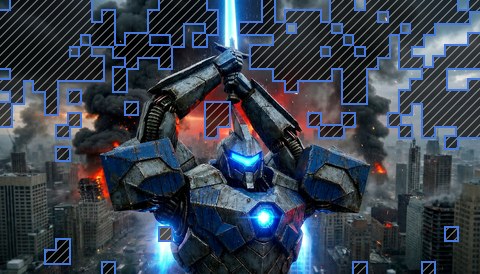 −24%
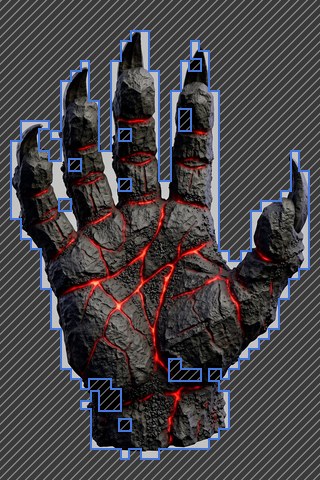 key pose: hand−52%
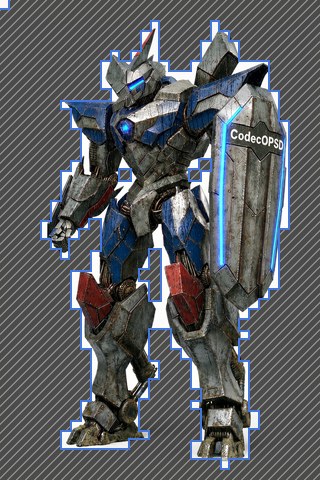 −53%
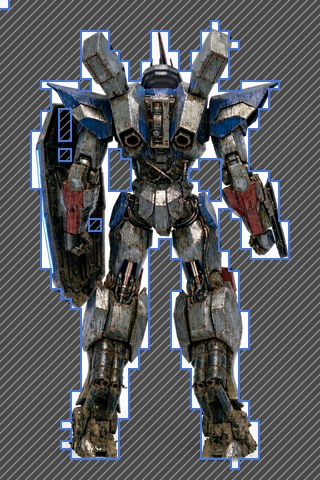 −54%
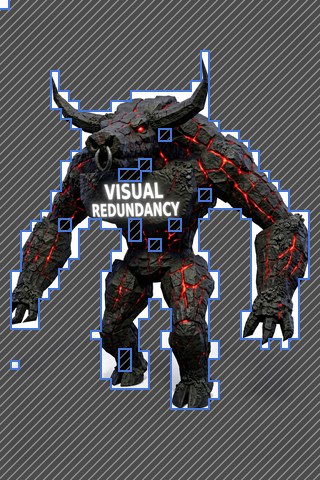 −65%
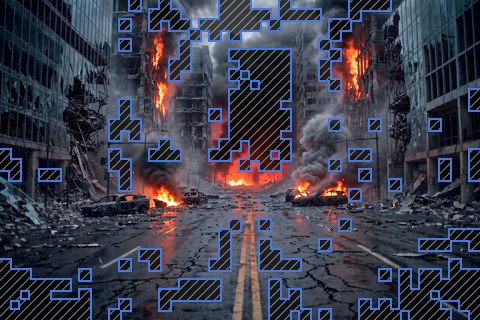 −18%
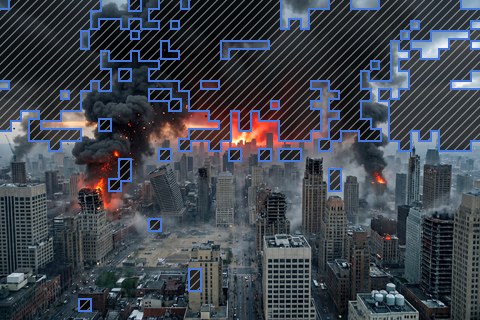 −32%
Part 3giant-blade ultimate and the dive175 frames
62,112 → 18,961 tokens (−69%)
denoising 82.6 s (B200)
−75%
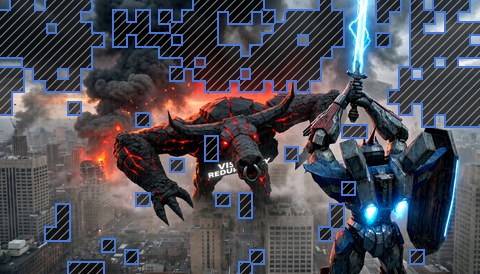 −23%
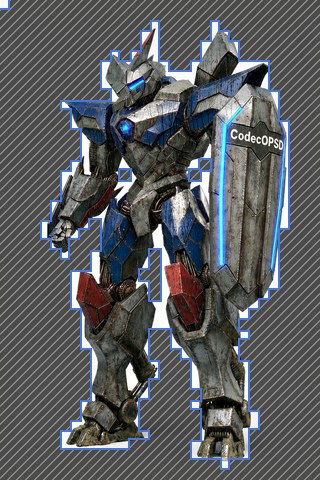
 −23%
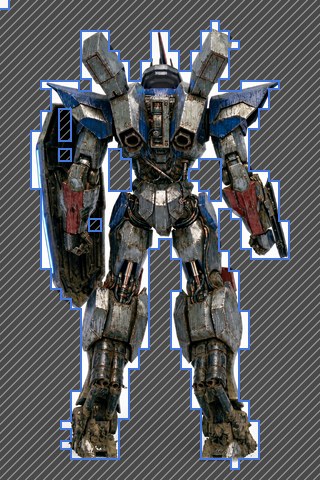
 −53%
 −54%
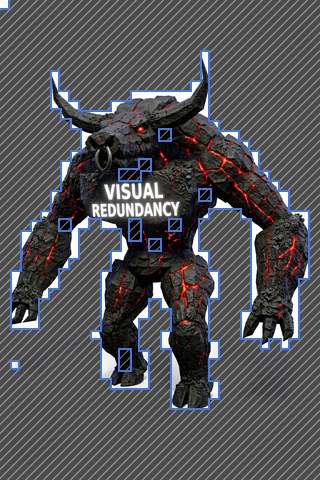 −65%
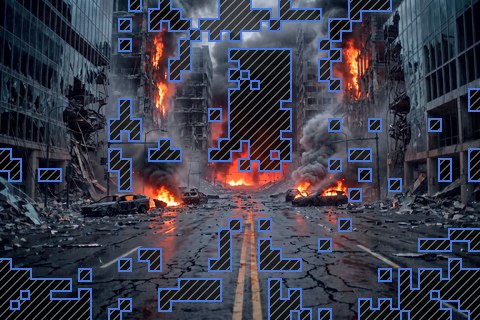 −18%
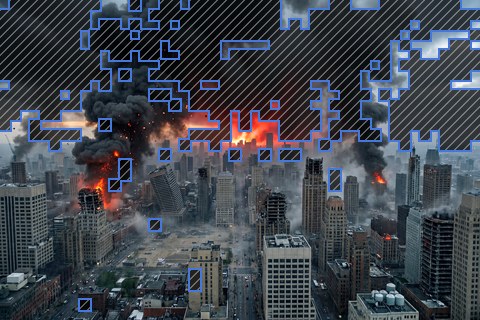 −32%
Part 4the cut and its extreme-wide replay106 frames
45,072 → 15,816 tokens (−65%)
denoising 50.8 s (B200)
−72%
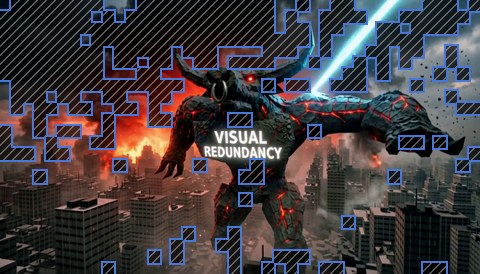 −28%
 slash effect−62%
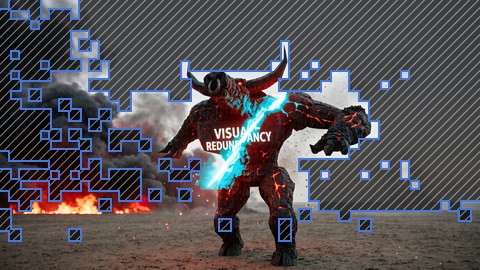 −47%
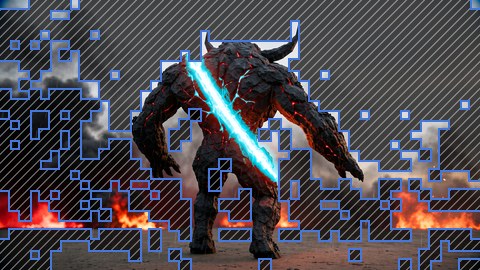 −54%
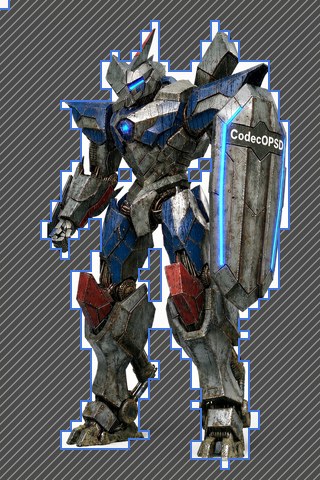 −53%
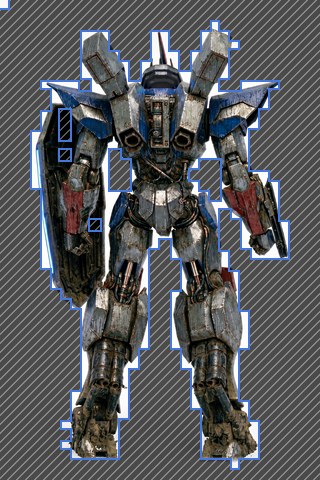 −54%
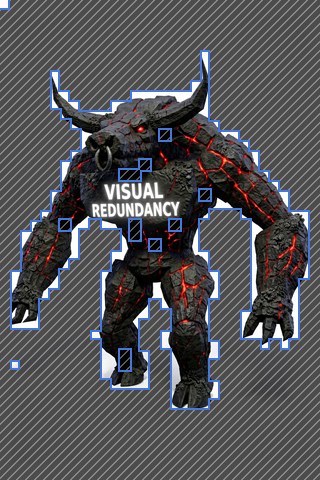 −65%
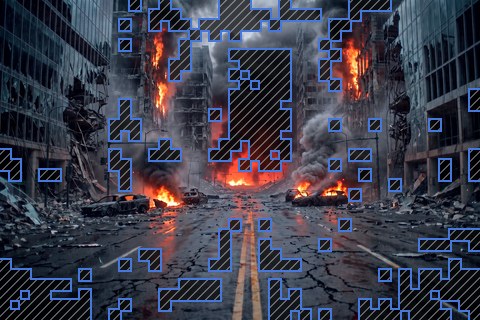 −18%
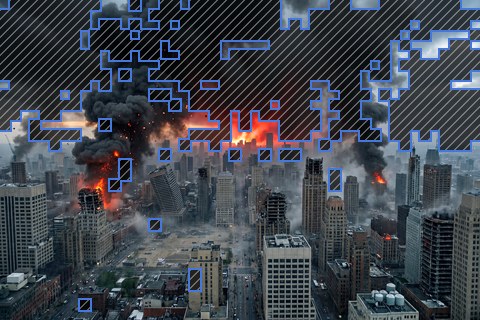 −32%
Part 5landing, push-in on the shield140 frames
53,856 → 18,394 tokens (−66%)
denoising 65.4 s (B200)
−70%
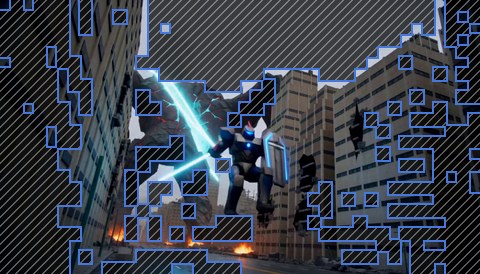 −46%
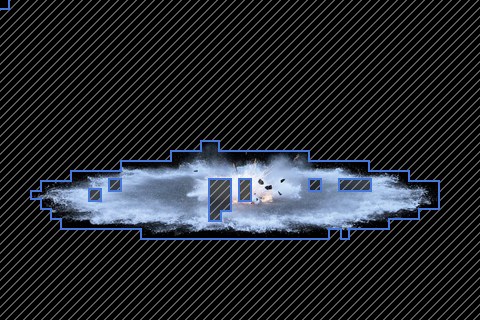 ring effect−82%
 −54%
 −53%
 −54%
 −65%
 −18%
 −32%
H3 Ref2VA Gallery